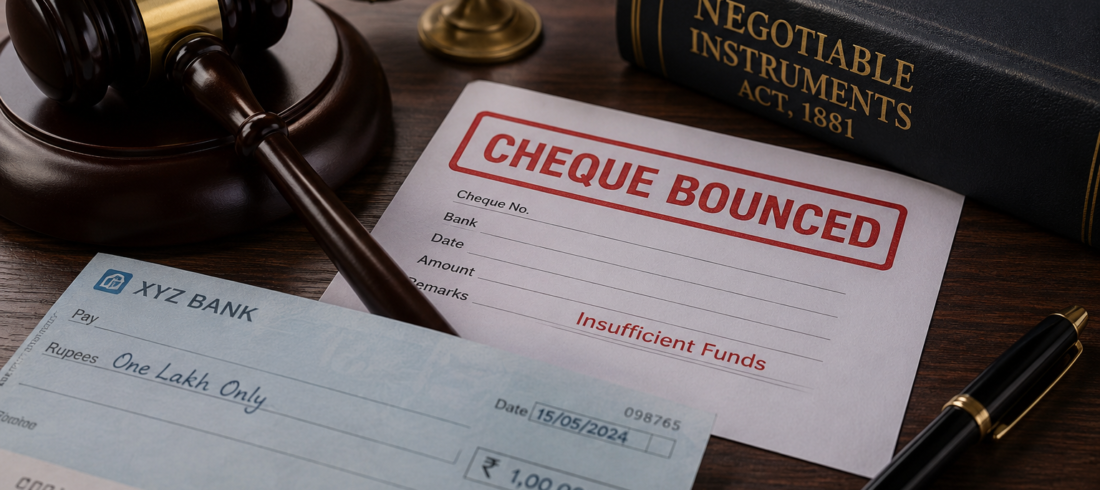
Litigation is a formal process of resolving disputes through the court system. Whether you are an individual, business owner, or organization, understanding the litigation process is crucial for protecting your rights and achieving a favorable outcome. In this guide, we will break down the litigation process in India, explain each stage, and provide practical insights to help you navigate legal disputes effectively.
What is Litigation?
Litigation refers to the legal process of taking a dispute to a court of law where a judge or judicial authority resolves the matter. It can involve civil, criminal, commercial, or family disputes. Unlike alternative dispute resolution methods like arbitration or mediation, litigation is formal, structured, and binding.
When is Litigation Necessary?
Not every conflict requires litigation. Typically, litigation is pursued when:
- Negotiations or settlements fail.
- Legal rights are violated.
- Compensatory or punitive remedies are required.
- A binding judicial decision is necessary to enforce laws or contracts.
Key Stages of the Litigation Process
Understanding the stages of litigation is essential for anyone considering legal action. Below is a step-by-step breakdown:
1. Pre-Litigation Stage
Before filing a case, it is important to assess the merits of the dispute. Steps in this stage include:
- Legal Consultation: Consulting a qualified lawyer to evaluate your case.
- Evidence Collection: Gathering documents, contracts, photographs, and other proof.
- Demand Notice or Legal Notice: A formal communication to the opposing party requesting resolution before approaching the court.
This stage often prevents unnecessary court proceedings and encourages settlements.
2. Filing the Lawsuit
Once pre-litigation efforts fail, the next step is filing a lawsuit. This involves:
- Drafting the Petition or Complaint: Your lawyer prepares a detailed document outlining your claims, evidence, and the relief sought.
- Filing in the Appropriate Court: Depending on the dispute, the case may be filed in civil, commercial, or specialized courts.
- Paying Court Fees: A fee is required to initiate legal proceedings, calculated based on the claim amount.
3. Service of Process
After filing, the court issues a summons to the opposing party (defendant) to notify them about the case. Proper service ensures that the defendant has an opportunity to respond and is aware of the proceedings.
4. Response from the Defendant
The defendant responds through:
- Written Statement: Detailing their defense and challenging the plaintiff’s claims.
- Counterclaims: Sometimes, the defendant may file claims against the plaintiff.
Both parties may also engage in preliminary hearings to address procedural issues or seek interim relief.
5. Discovery and Evidence Exchange
Discovery is the process of exchanging relevant information to support each party’s case. Key activities include:
- Document Production: Sharing contracts, emails, and financial records.
- Interrogatories: Written questions that require formal responses.
- Depositions or Witness Statements: Gathering sworn statements to strengthen arguments.
Discovery ensures transparency and allows both parties to prepare adequately for trial.
6. Pre-Trial Hearings and Settlement Attempts
Before the trial, courts often encourage parties to resolve disputes amicably:
- Mediation or Arbitration: Optional methods to avoid a lengthy trial.
- Pre-Trial Conferences: Meetings with the judge to discuss case management, timelines, and settlement possibilities.
If settlement attempts fail, the case proceeds to trial.
7. Trial Proceedings
The trial is the core of litigation, where parties present their arguments and evidence:
- Opening Statements: Lawyers summarize their case for the judge.
- Presentation of Evidence: Witnesses testify, and documents are submitted.
- Cross-Examination: Challenging the credibility and validity of opposing evidence.
- Closing Arguments: Lawyers summarize the case and highlight key points.
Trials can be lengthy depending on case complexity and court schedules.
8. Judgment and Court Decision
After reviewing evidence and arguments, the judge delivers a judgment. Outcomes may include:
- Monetary Compensation: Payment for damages or losses.
- Injunctions: Court orders to stop or enforce specific actions.
- Dismissal of Claims: Case is rejected if claims are not substantiated.
The judgment is legally binding and enforceable.
9. Post-Judgment Remedies
If a party is dissatisfied with the judgment, they may:
- Appeal: Challenge the decision in a higher court.
- Execution of Judgment: Enforcement of the court order to recover damages or comply with directives.
- Review or Revision: Request the same court to reconsider under specific grounds.
Tips for Navigating Litigation Successfully
- Hire Experienced Lawyers: Expert legal guidance is crucial at every stage.
- Maintain Proper Documentation: Clear records strengthen your case.
- Be Patient: Litigation can take time; avoid impulsive actions.
- Consider Alternative Dispute Resolution (ADR): Settlements save time and costs.
- Follow Court Procedures: Compliance avoids delays and penalties.
Conclusion
Litigation may seem complex, but understanding the process from filing to judgment empowers individuals and businesses to protect their rights effectively. By preparing meticulously, seeking expert advice, and exploring settlements where possible, you can navigate legal disputes confidently. Remember, a well-informed approach often leads to better outcomes and less stressful legal experiences.